
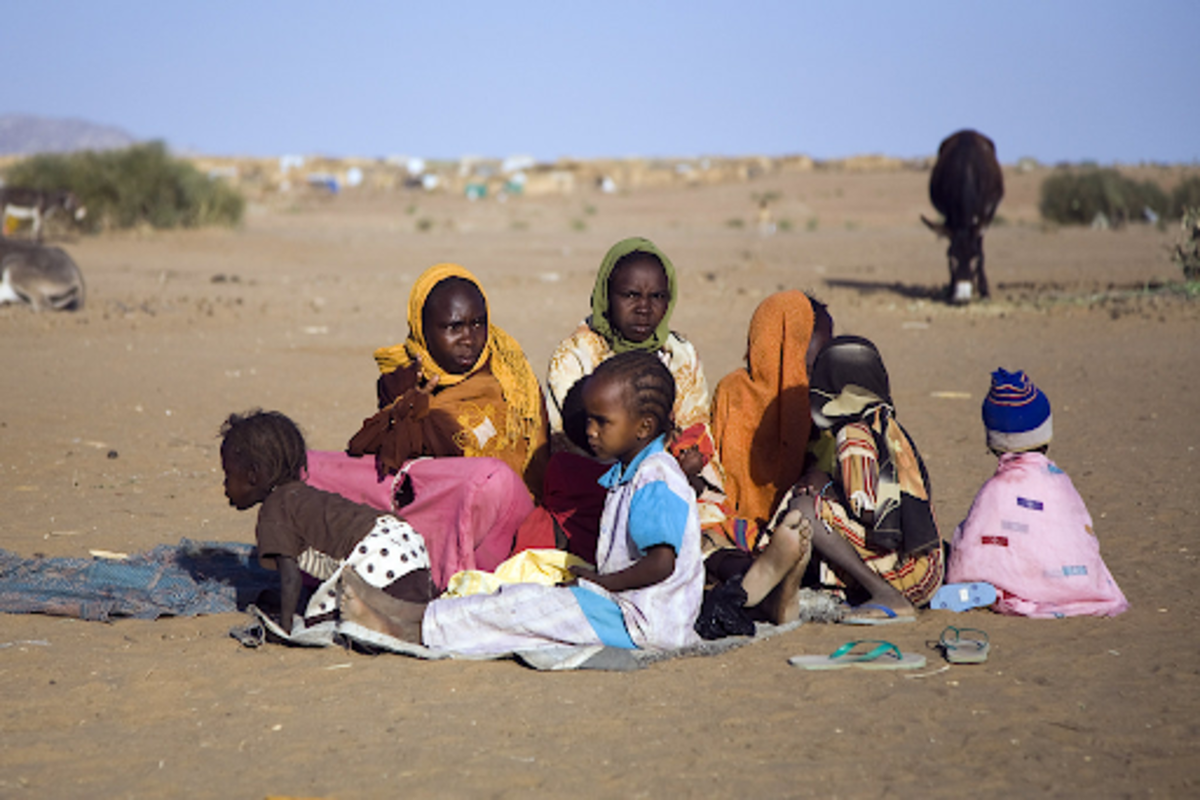
The protracted armed conflict in Sudan, now exceeding 1,000 days, has generated cascading humanitarian, environmental, and developmental harms that expose critical limitations within existing sustainability law. Beyond mass displacement and loss of life, the war has severely disrupted agriculture, food systems, water access, and energy infrastructure, deepening what the United Nations and World Health Organization describe as the world’s largest humanitarian crisis (United Nations, 2026; World Health Organization [WHO], 2026).
Agriculture, which sustains much of Sudan’s population, has been particularly affected. Conflict has restricted access to arable land, displaced farming communities, and damaged irrigation systems, contributing to acute food insecurity and famine risk (Food and Agriculture Organization [FAO], 2024). At the same time, the destruction of energy and water infrastructure has limited access to electricity, clean water, and healthcare, compounding environmental degradation and social vulnerability (UN Environment Programme [UNEP], 2025). These interconnected failures highlight how environmental sustainability, food security, and human rights are inseparable in conflict contexts.
From a legal perspective, sustainability law has largely focused on peacetime governance, leaving a regulatory gap when conflict accelerates environmental harm. Strengthening international legal frameworks to address conflict-related environmental damage, protect agricultural systems, and safeguard essential resources such as water and energy could help mitigate long-term instability. Intersectional environmentalism further underscores the responsibility of law to account for how these harms disproportionately affect women, children, and displaced populations.
Ultimately, responsibility lies not only with national actors but also with the international community. Embedding accountability, environmental protection, and social equity into sustainability law could support both immediate humanitarian relief and more just, resilient post-conflict recovery in Sudan.

The High Seas Treaty has officially entered into law as of January 17, 2026, marking a major milestone in international environmental governance (World Resources Institute, 2026; High Seas Alliance, 2026). This treaty, formally titled the Agreement on the Conservation and Sustainable Use of Marine Biological Diversity of Areas Beyond National Jurisdiction (BBNJ), creates the world’s first legally binding framework to govern the oceans that lie beyond any nation’s control. These waters cover two-thirds of the planet’s surface and were historically underregulated, making them especially vulnerable to overfishing, pollution, and biodiversity loss (United Nations University, 2026; The Nature Conservancy, 2026).
For sustainability law, the treaty’s entry into force represents both a legal and philosophical shift. Traditionally, sustainability obligations in international law were largely aspirational, relying on soft law instruments and voluntary commitments. Now, nations that have ratified the treaty are legally required to establish marine protected areas, conduct environmental impact assessments for activities affecting the high seas, and ensure equitable benefit-sharing from marine genetic resources (World Resources Institute, 2026; High Seas Alliance, 2026). These elements codify sustainability principles into enforceable obligations, reinforcing the idea that sustainable use and conservation are not optional but integral to international legal frameworks governing global commons.
The treaty also strengthens equity and capacity building, key components of sustainability law, by committing to technology transfer and support for developing states to participate fully in ocean governance (United Nations University, 2026). This emphasis on inclusivity reflects broader shifts within sustainability scholarship that link environmental protection with social justice.
While challenges remain—such as ensuring universal ratification and robust implementation at upcoming Conferences of the Parties (BBNJ COP), the High Seas Treaty’s legal force demonstrates that sustainability law can evolve to meet complex global challenges through collective action (World Resources Institute, 2026; High Seas Alliance, 2026). Its adoption shows that multilateral cooperation is still feasible and that governance of shared resources can move beyond rhetoric to real legal effect.
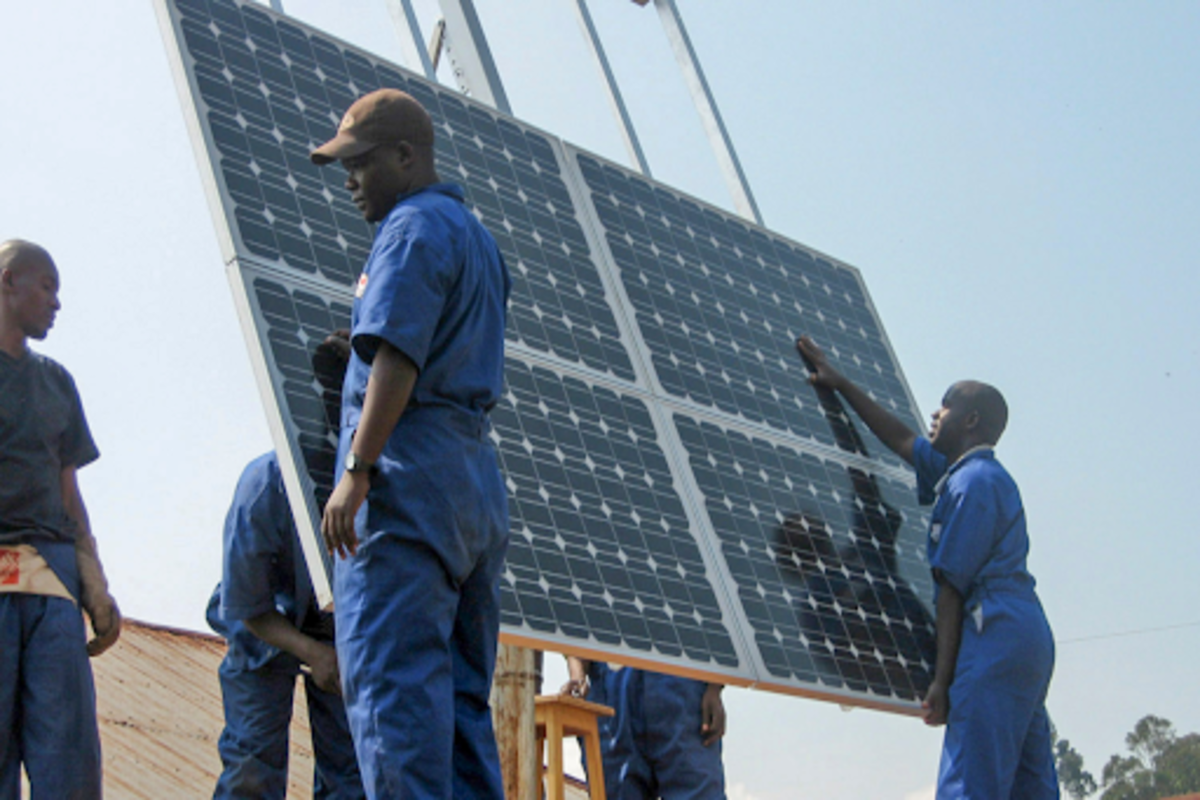
Uganda’s 2026 presidential election has been marked by political tension and controversy, with long‑serving President Yoweri Museveni declared the winner amid allegations of fraud and widespread internet restrictions during the vote period (Reuters, 2026). While the immediate focus has been on democratic processes and human rights, the election also has important implications for sustainability, especially in the energy sector.
Energy access and reliability are major concerns for Ugandan citizens. Survey data prior to the election show that frequent power outages and lack of grid connectivity were among the top issues voters wanted addressed, with nearly half of respondents reporting inadequate electricity as a key development priority (Kersey et al., 2025). Limited energy access restricts economic productivity, undermines health and education services, and constrains rural development. There is thus a clear social demand for legal and policy reforms that can accelerate energy access and sustainability (Natural Resource Energy Institute, 2024).
From a sustainability law perspective, Uganda stands at a crossroads. The government’s draft Energy Efficiency and Conservation Bill aims to create legal frameworks for efficient energy use, renewables adoption, and reduced carbon emissions, potentially saving significant public funds and advancing climate commitments (AllAfrica, 2025). Meanwhile, Uganda’s Energy Transition Plan promotes a diversified energy mix, balancing fossil fuel development with renewable sources such as solar and hydro to enhance resilience and reduce environmental harm (UCEM, 2026).
The election outcomes will influence how these legal reforms are prioritized and implemented. Strengthening legal accountability, protecting civic participation, and ensuring transparent policymaking are essential for sustainable energy governance. Embedding clear sustainability mandates in national law, such as enforceable renewable targets, environmental safeguards for oil and gas projects, and rights to energy access, could help align political commitments with citizen needs and climate goals. A robust sustainability legal framework could support Uganda’s transition toward equitable energy access, reduced emissions, and long‑term economic resilience.

CGSL is a nonprofit initiative working at the intersection of law & sustainability. We advance legal research, policy formulation, and collaboration to support a just, resilient, and sustainable world.
© CGSL | DevForge CC